There are two things everybody knows about the 996. The headlights look like fried eggs, and the engine eats itself. The first is a matter of taste and has quietly stopped mattering. The second is true of some 996s and simply not true of others — and the market has never fully separated the two.
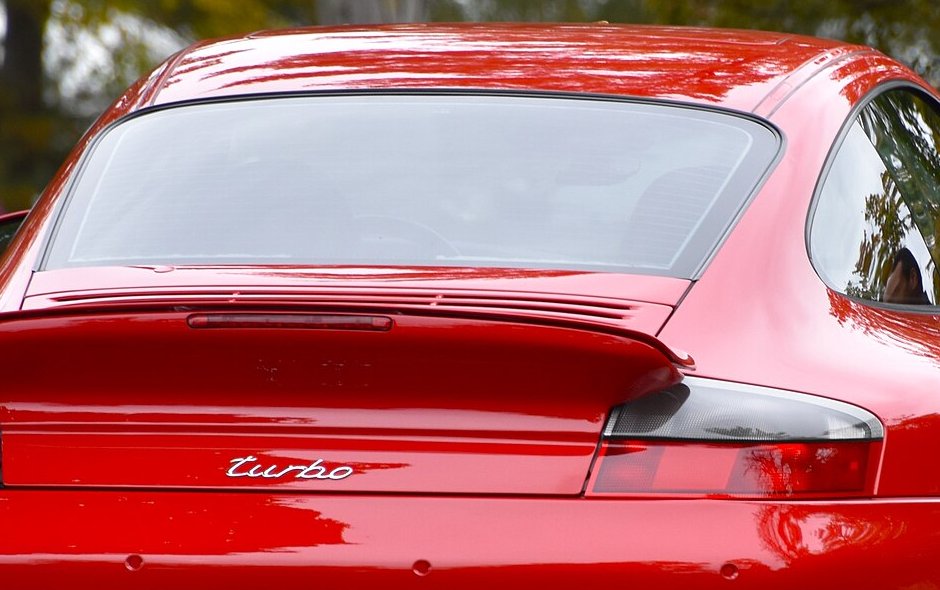
The result is a 420bhp, four-wheel-drive Porsche supercar with a motorsport-derived engine, available for the price of a well-specified estate car.
Two completely different engines, one bad reputation
The ordinary 996 Carrera uses the M96 — the engine with the intermediate shaft bearing that can fail, take the engine with it, and cost more to fix than the car is worth. That reputation is deserved, it has been written about endlessly, and it is the main reason a 996 Carrera is £35,000 today.
The 996 Turbo does not use that engine. It uses the Mezger unit, descended from the racing programme and shared with the GT3 and the GT2. It has no intermediate shaft bearing to fail. The single most-quoted objection to buying a 996 does not apply to it at all.
The badge on the back is the same. The thing everyone is afraid of is only in half the cars wearing it.
The market is not blind to this — it has priced the Mezger cars well above the M96 ones. What it has not done is price the Turbo anywhere near the rest of the Mezger family.
What the Mezger engine is worth
Porsche 996 guide values, August 2026. Gold bars use the motorsport-derived Mezger engine; blue bars use the M96 with the intermediate shaft bearing.
Look at where the Turbo sits. It is £7,000 above a Carrera 4S that has the engine everyone worries about, and £53,000 below a GT3 that shares its architecture. For a car with two turbochargers, four-wheel drive and the same fundamental engine as the GT2 above it, that is a strange place to be.
Why the discount has lasted this long
Partly it is that the objection is easy to state and the rebuttal is not. "The engines fail" fits in four words; "the engines fail on the naturally aspirated cars because of a bearing the turbocharged cars do not have" does not. Second-hand markets reward the short version.
Partly it is the styling. The 996 shared its front end and much of its interior with the Boxster, which at the time read as cost-cutting and still colours how the car is regarded. And partly it is that the 996 is the generation immediately after the one people revere, which is a bad place to stand — the 993 ahead of it carries a premium for being the last air-cooled car, and the 996 got the reverse of that trade.
So is it a buy?
On the numbers, it is the most car for the money anywhere in the 911 range, and its +3% drift suggests the market has stopped marking it down without yet marking it up. That is usually where the interesting entries are.
The caution is that "no IMS bearing" is not the same as "no maintenance". These are complex four-wheel-drive turbocharged cars now twenty-odd years old, and the bills when they come are Porsche bills. The car to buy is the one with the file, not the one with the lowest price — and telling those apart is the whole job.